Building a Hospital Culture of Everyday Support
How The Woman’s Hospital of Texas expanded Showing Up from a keynote to leadership development, equipping leaders with practical skills to support their teams and navigate difficult conversations.

The Client:
The Woman’s Hospital of Texas
The Woman’s Hospital of Texas (TWHT), part of HCA Healthcare’s Gulf Coast Division, wanted to build a workplace where employees felt seen, valued, and supported in the demanding work of healthcare.
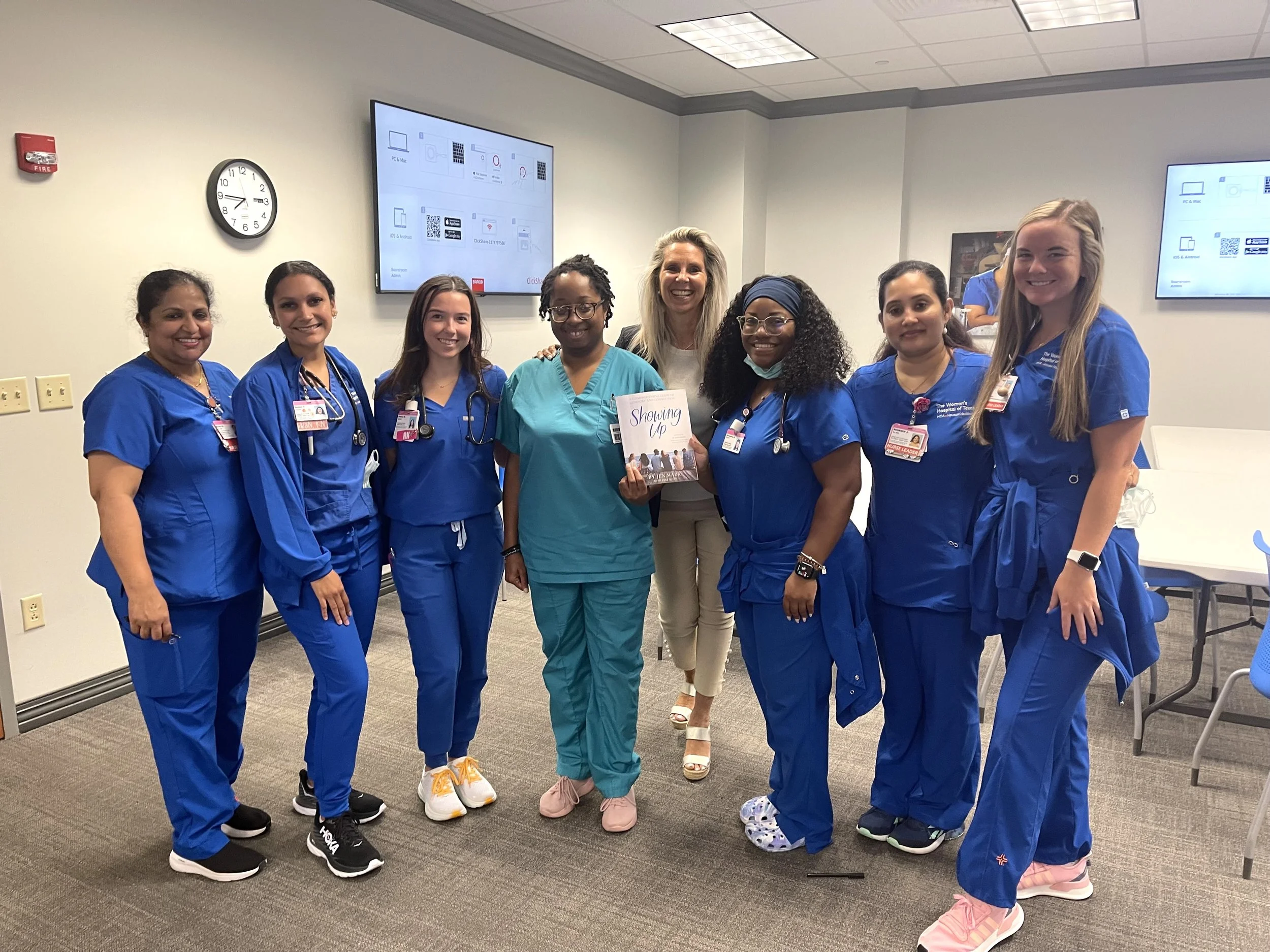
The partnership began after Jen Marr delivered a well-received keynote at HCA’s Gulf Coast Leadership Development Institute. Every leader in the division received a copy of the book, Showing Up, and the positive response led divisional leadership to select TWHT for a Showing Up LLC pilot program.
What began as an effort to strengthen connection across the hospital became a focused investment in the people whose everyday interactions shape that culture: its leaders.
The Problem:
Care providers needed care too.
TWHT began with Showing Up LLC’s Discovery program, listening to employees and leaders before recommending a training plan.
There were 27 Discovery listening sessions to ensure all shifts were represented and all voices could be heard and valued. Anonymous surveys and individual leadership conversations provided additional insight. This deeper listening brought the hospital’s human challenges into focus.
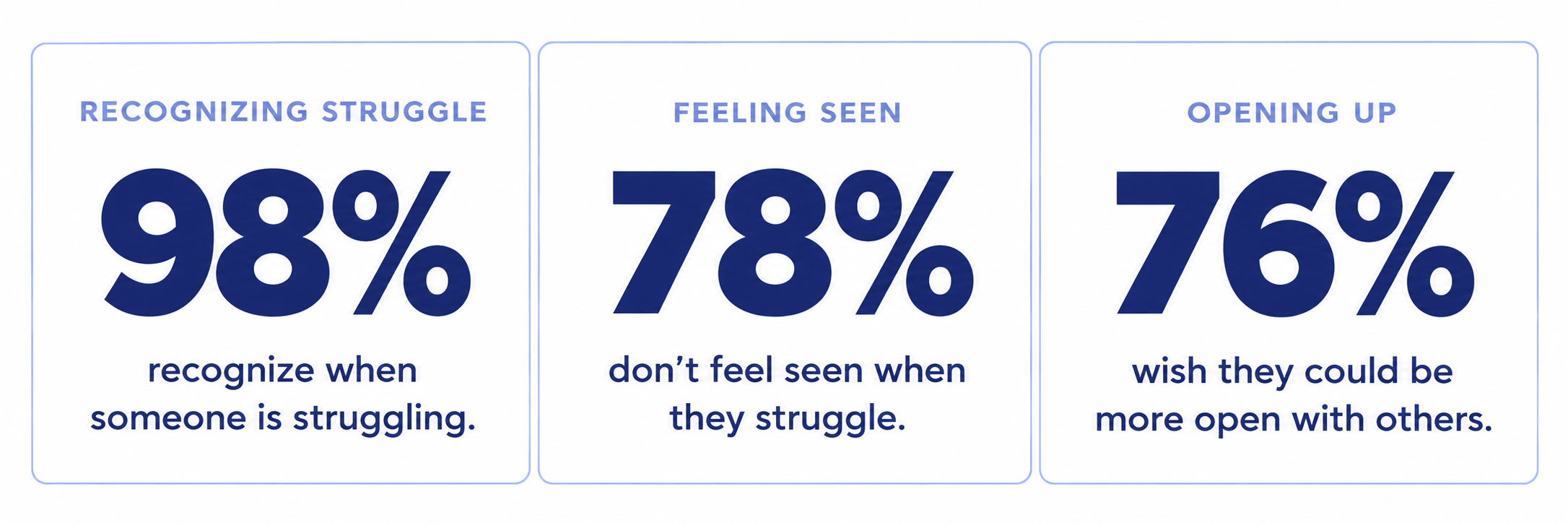
When asked what would help them feel more valued and cared for at work, employees ranked one answer above all others: leaders who care and are easy to engage with when needed.
That response ranked ahead of wellness events and a benefits package that included mental health care.
Employees were pointing to the importance of the relationships they experienced every day.
The people responsible for supporting others needed support themselves.
The Turning Point:
Start with Leadership
Four priorities emerged: increasing approachability and availability; trust and consistency; psychological safety; and helping people feel seen, heard, and valued.
These priorities gave the training a clear purpose. Leaders needed practical ways to listen, build trust, respond to strain, and make it easier for employees to speak up. They also needed ways to navigate these conversations within the time pressures of hospital work.
The goal was to give leaders a practical skill set for supporting their teams in everyday interactions: from a brief check-in to a difficult conversation.
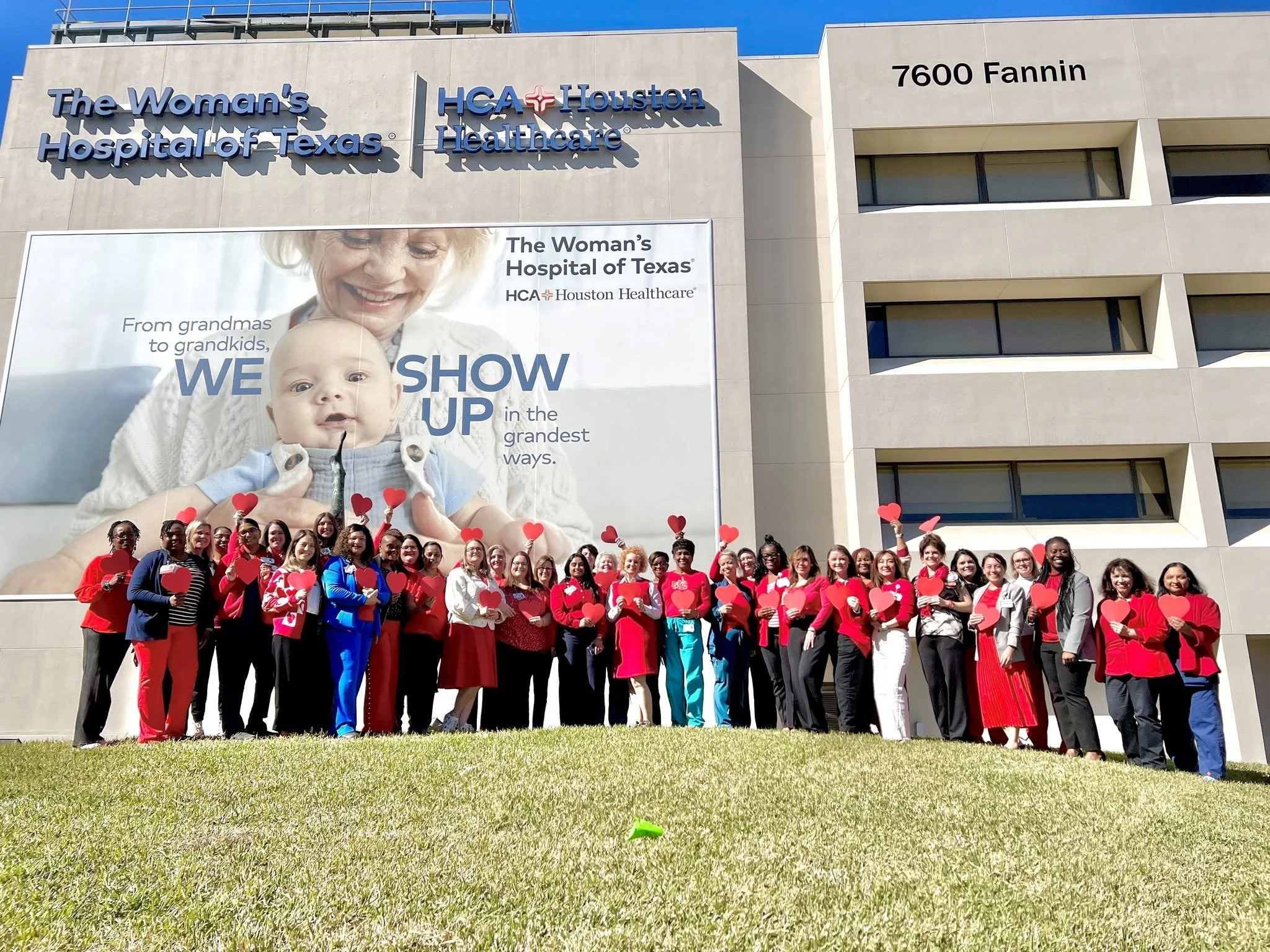
"It was exactly the direction we needed to go with our leaders"
-Jeanna Bamburg, CEO, The Woman's Hospital of Texas
The Approach:
Prepare for the Moments that Matter
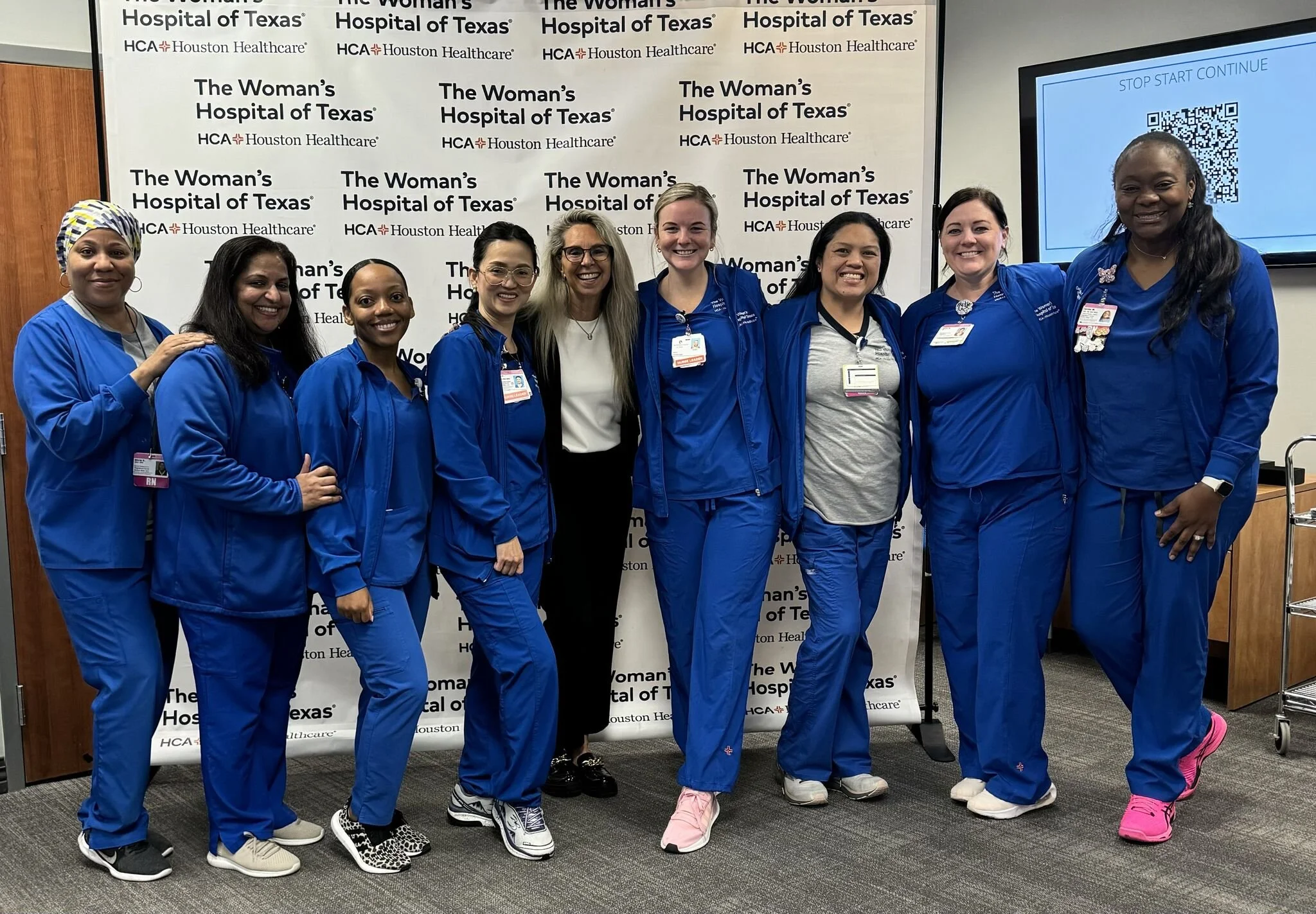
Jen Marr and the Showing Up LLC team delivered a leadership development training tailored to each group’s responsibilities: four hours for supervisors and charge nurses and seven hours for managers, directors, and senior leaders.
A Supportive Leader Playbook, customized for each group, brought together the skills leaders practiced through book studies, discussion, reflection, real-life scenarios, and role-play:
Recognize barriers through the Awkward Zone™ Assessment. Leaders identified their own barriers around what to say, what to do, and whether to get involved, building awareness of what can hold them back from offering support.
Build trust in everyday moments with Micro-Moment Skills. Drawing from Showing Up LLC’s Micro-Moment Skill Bank, including The Two 10s and Relationships 101, leaders practiced small, intentional ways to strengthen relationships and make supportive connection part of everyday interactions.
Navigate challenging conversations with The Supportive Conversation Method™. Leaders practiced pausing, listening, and validating concerns before moving to advice or solutions. The method provided a structure for understanding employees’ needs and connecting them with available support resources.
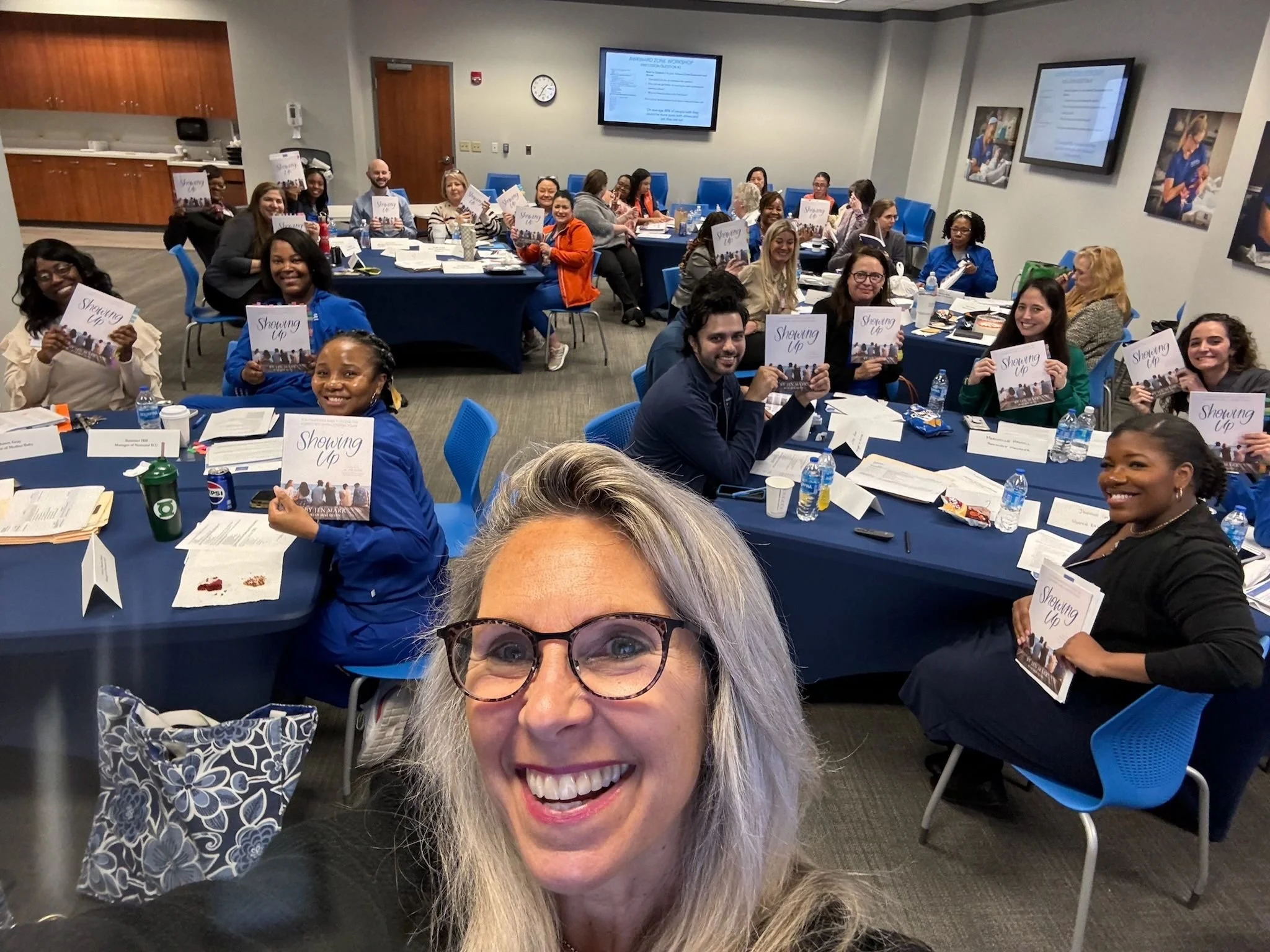
"This would have saved me 30 minutes yesterday!”
-Hospital Leader, The Woman’s Hospital of Texas

Making Support Personal
The program also gave leaders a way to understand how individual team members preferred to receive support.
157 participants completed a Personal Care Profile, answering optional questions about their support preferences and needs.
These responses were compiled into 43 consolidated reports for leaders and managers, with guidance on using them in future conversations.
The profiles made an important distinction visible: people need different kinds of support. Some welcome a conversation about what they are facing; others prefer more privacy. Leaders received a practical starting point for understanding those preferences rather than relying on assumptions.

The Impact
TWHT leaders immediately put their new skills into action. After training, leaders:
Addressed concerns more effectively. Leaders guided difficult conversations with greater focus, saving time while helping staff feel heard and supported.
Navigated uncertain moments with confidence. Leaders moved past hesitation and put practical tools to work when they previously weren’t sure what to say or do.
Built trust through daily interactions. Leaders used small, intentional moments to connect with staff and strengthen relationships.
Turned their playbooks into action. Leaders used their Supportive Leader Playbooks to respond to staff needs and connect employees with available resources.
Worked through challenges together. Leaders turned to one another for perspective, collaboration, and help navigating difficult situations.
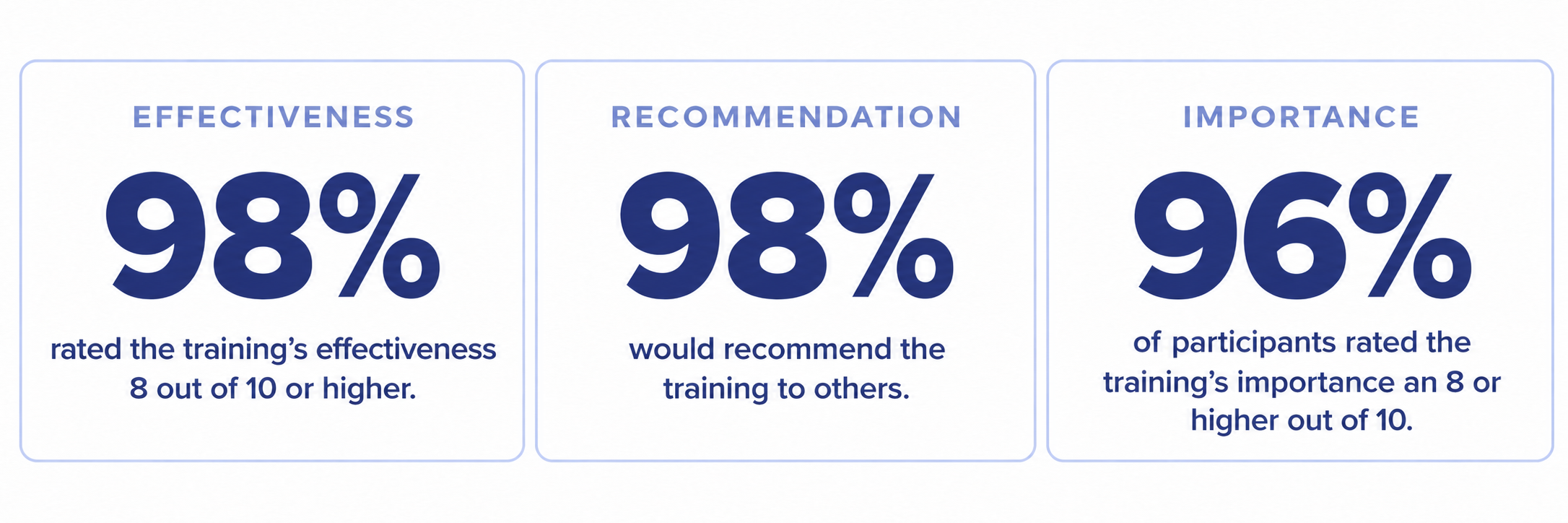
Training evaluations showed strong enthusiasm for the program:
From Skills to Culture Change.
The TWHT pilot demonstrated that no culture needs to be stuck where it is. With a commitment from senior leadership to equip leaders with the relational skills needed to support their teams, change began taking shape immediately. Leaders addressed concerns more efficiently, approached uncertain moments with greater confidence, and built trust through everyday interactions.
These results showed how investing in relational skills can move a culture initiative into daily practice—changing how leaders connect, respond, and show up for their people.